A sanctuary for the spirit
Shramalaya means a place of practice — somewhere to put in the quiet, patient work of coming back to yourself.
A small place, on purpose
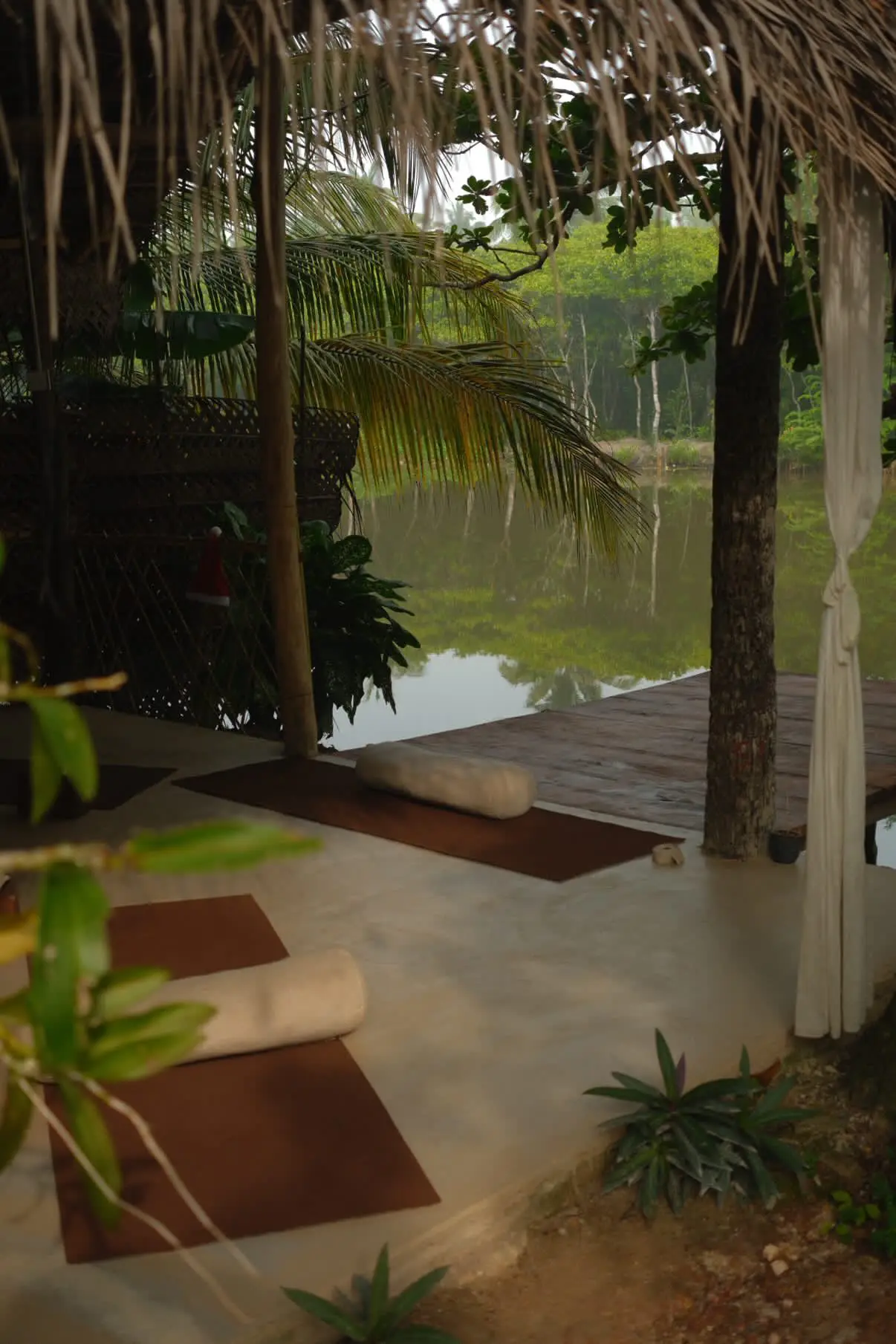
We built Shramalaya to be modest. One room, open on every side, thatched above, with a floor that runs straight out to the water's edge. Classes are kept small — not as a policy, but because that's the size the room wants to be.
There's no mirror on the wall and no schedule of levels to climb. The practice here is quieter than that: breath first, then movement, then rest. What you can and can't do on a mat matters far less than showing up and paying attention.
How we practise
Come as you are
Every class is taught with modifications offered throughout. Bodies are different, days are different, and the practice bends to meet you — not the other way round.
Unhurried
We take the time to explain what a posture is for and why it's there. Nothing is rushed to fit a sequence, and rest is treated as part of the practice, not a gap in it.
Ahimsa
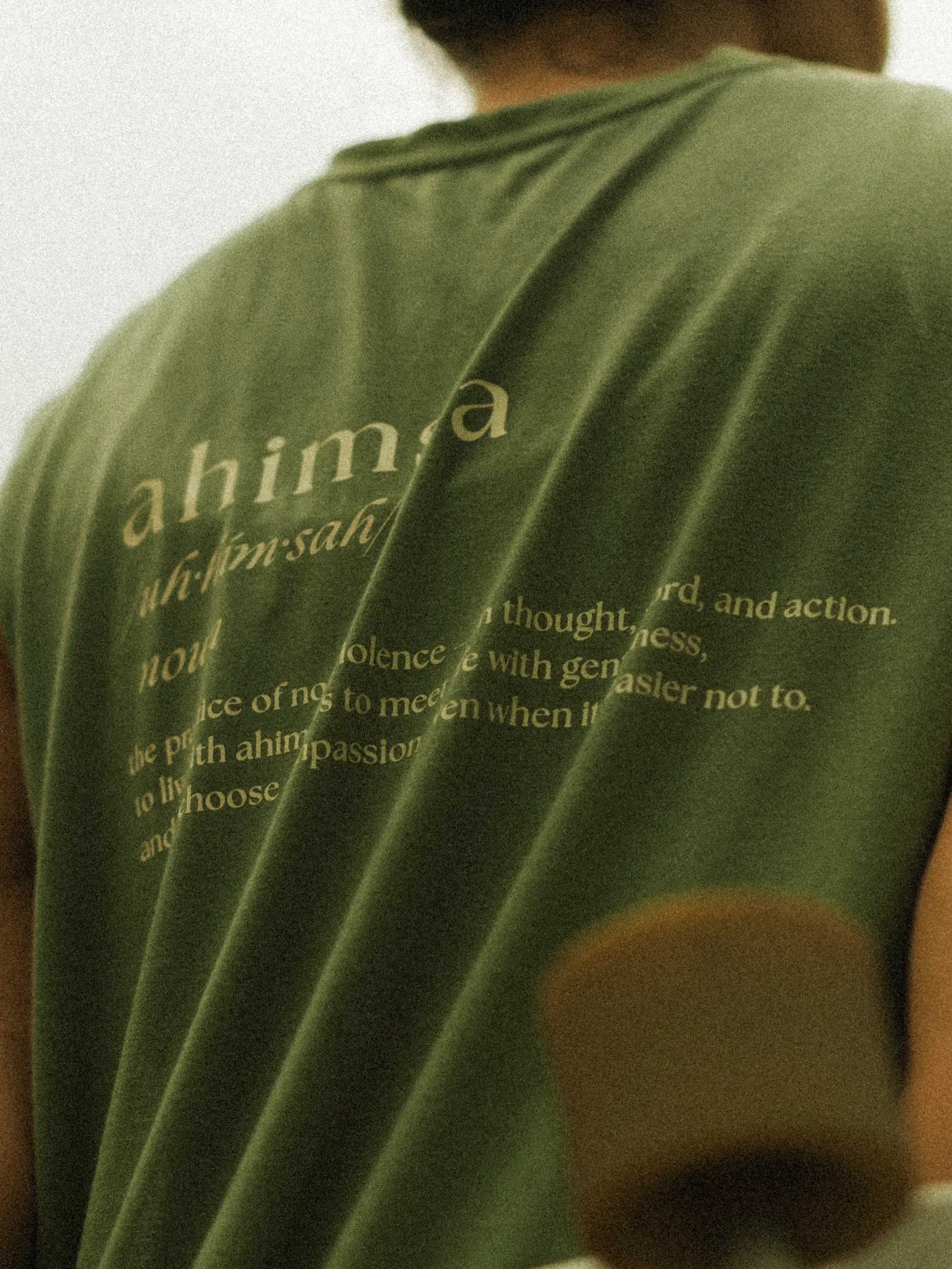
Non-violence in thought, word and action — including towards yourself. It's the first thing asked of a practitioner and the hardest to keep, and it shapes how this room is run.
Part of the village
We are guests on this coast, and we try to be good ones. Every week the shala opens free of charge for the children of the village to move, play and rest, and our cooking workshops are taught by women from Ahangama sharing the food they grew up on.
A safe space is built not with walls, but with attention.
Who you'll practise with
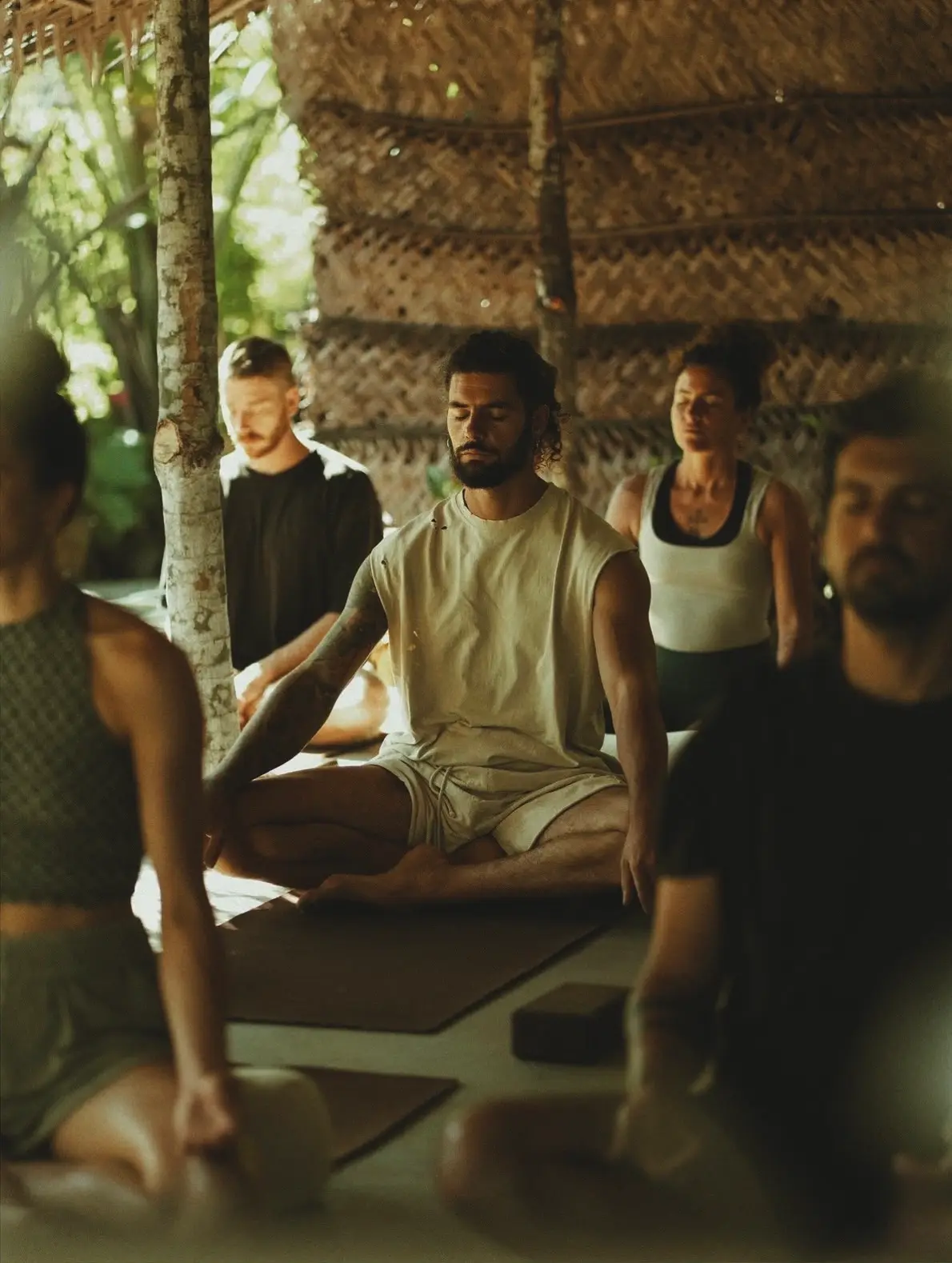
A small group of teachers, each with their own feel — some more anatomical, some more meditative. What's shared is a way of teaching that watches the room rather than performing at it.
Elly
Vinyasa, slow flow, yin & sound
Matthieu
Vinyasa, hatha, slow flow, yang to yin
Milad
Breathwork & sound healing
Katie
Yin yoga & sound healing
Shruti
Yin yoga
Himali
Cooking workshops